

A clogged dryer vent is one of the more underestimated hazards in a residential home. The lint that collects inside a dryer exhaust line is highly flammable, and a blocked vent traps heat that has nowhere to go. In Alabama, where summer temperatures push HVAC systems and appliances harder than they would work in cooler climates, the risk compounds. The good news is that the warning signs are visible long before a problem becomes a crisis – if you know what to look for.
Many homeowners assume their dryer vent is fine because the dryer still works. But a dryer can continue running with a partially blocked vent – it just runs longer, hotter, and less efficiently. Recognizing the early signs of a clog gives you time to act before the situation becomes dangerous.
6 Warning Signs of a Clogged Dryer Vent
1. Clothes Take Two or More Cycles to Dry
This is the most common complaint. A dryer that used to finish a load in one cycle but now needs two or three to get clothes dry is almost certainly struggling with airflow. Hot, moist air cannot escape through a blocked vent efficiently, so moisture stays in the drum. If you have started running double cycles as a matter of habit, your vent line needs attention.
2. Burning Smell During or After a Cycle
A burning smell – especially one that smells like scorched fabric or hot lint – is a serious warning sign. Lint builds up along the inside of the vent line over time, and when that lint gets hot enough, it can begin to smolder. If you smell burning during a dryer cycle, stop the machine and inspect the vent before running it again.
3. Dryer Is Hot to the Touch
Your dryer should be warm during operation, but it should not be too hot to touch comfortably on the exterior. Excess heat that cannot escape through a clear vent line radiates back into the machine and through the cabinet. An unusually hot dryer is a sign of restricted airflow.
4. Laundry Room Feels Humid or Steamy
A functioning dryer vent carries moist, hot air from the drum directly outside. If that pathway is blocked, some of that humid air gets forced back into the laundry room. A steamy, hot laundry room during a drying cycle – or one that smells like damp laundry even after the cycle ends – points to a venting problem.
5. Exterior Vent Cap Does Not Open During Operation
The exterior cap or flap on your dryer vent should swing open when the dryer is running. If you check the outside of your home while the dryer is on and the cap stays closed or barely moves, airflow is severely restricted. A fully blocked vent cap is a clear sign that cleaning is needed.
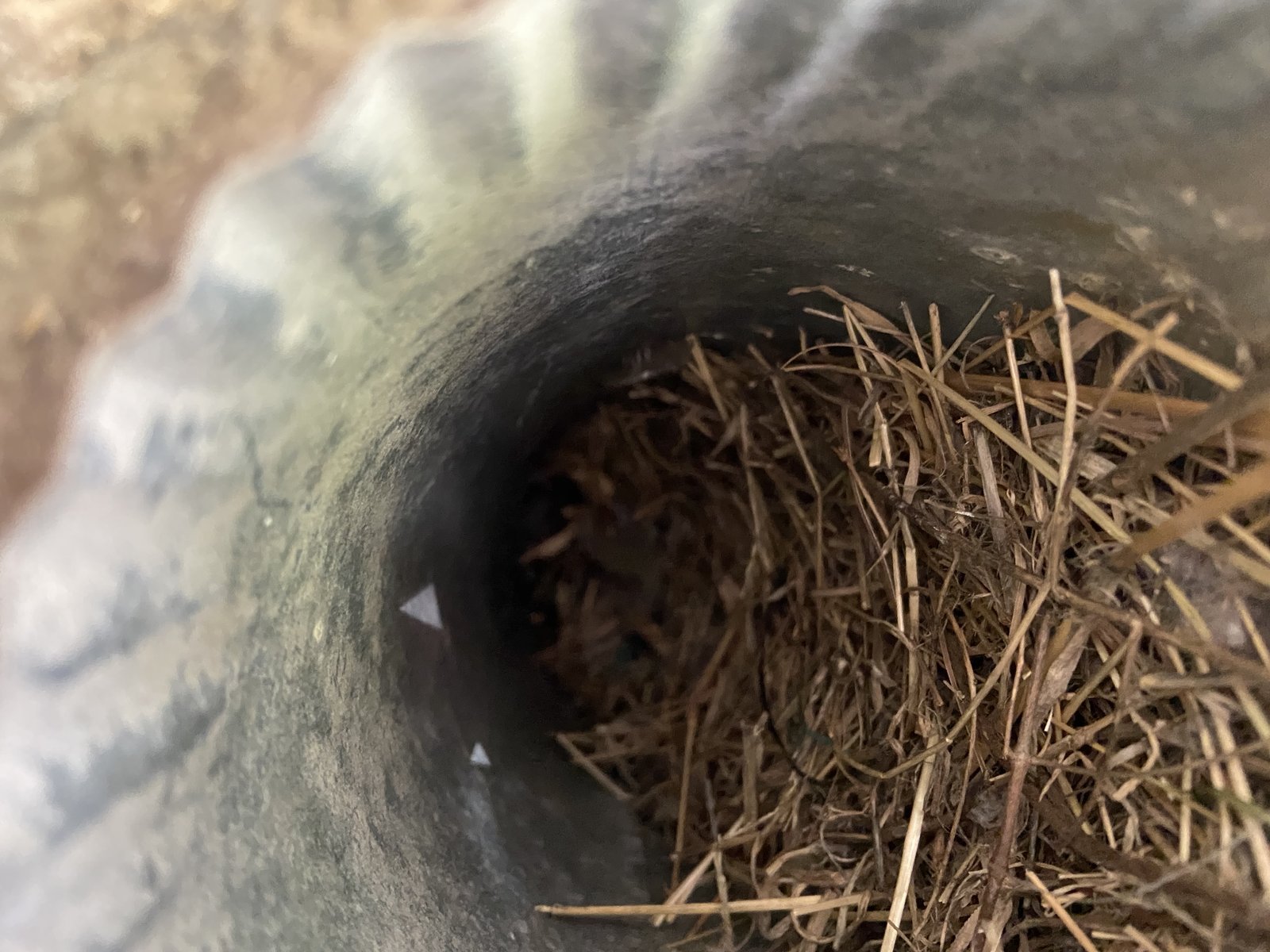
6. Birds Nesting in the Vent
In spring and early summer, birds sometimes build nests inside vent caps or partway down the exhaust line. A nest creates an immediate and complete blockage. If you notice birds perching around a vent cap or hear activity near the exhaust opening, have the line inspected before running the dryer again. See our page on dryer vent bird nest removal in Birmingham for more detail.
Why Alabama Summers Make This Worse
Alabama summers run hot and humid. When outdoor temperatures exceed 90 degrees, the thermal differential between the dryer exhaust and the outside air shrinks, which reduces the natural draw of airflow through the vent line. A vent that is partially clogged but still functional in mild weather may struggle significantly during peak summer heat.
High humidity also means the air being exhausted from the dryer carries more moisture per cubic foot than it would in a dry climate. That added moisture contributes to lint sticking to the inside of the vent line rather than passing through cleanly. Over time, Alabama’s climate accelerates buildup in dryer exhaust systems compared to what manufacturers assume in their recommended cleaning intervals.
Homes built in the 1990s and earlier often have longer vent runs with more turns than current building codes allow. Longer runs and tight bends trap lint more readily. If your home is more than 20 or 30 years old, your dryer vent system may not meet current best practices for vent length and configuration.
What DUCTS Does
DUCTS cleans dryer vent lines from the interior connection point to the exterior cap, removing lint, debris, and any obstructions along the full length of the exhaust path. We inspect the exterior cap, check for proper airflow at the termination point, and confirm the line is clear before leaving.
If a bird nest or other foreign object is found in the line, we remove it as part of the service. We also flag any configuration issues – flexible duct sections that have crushed over time, improper cap types, or vent runs that exceed recommended lengths – so you have a complete picture of your system’s condition.
Learn more about our dryer vent cleaning service or contact us to schedule service for your Birmingham-area home.