

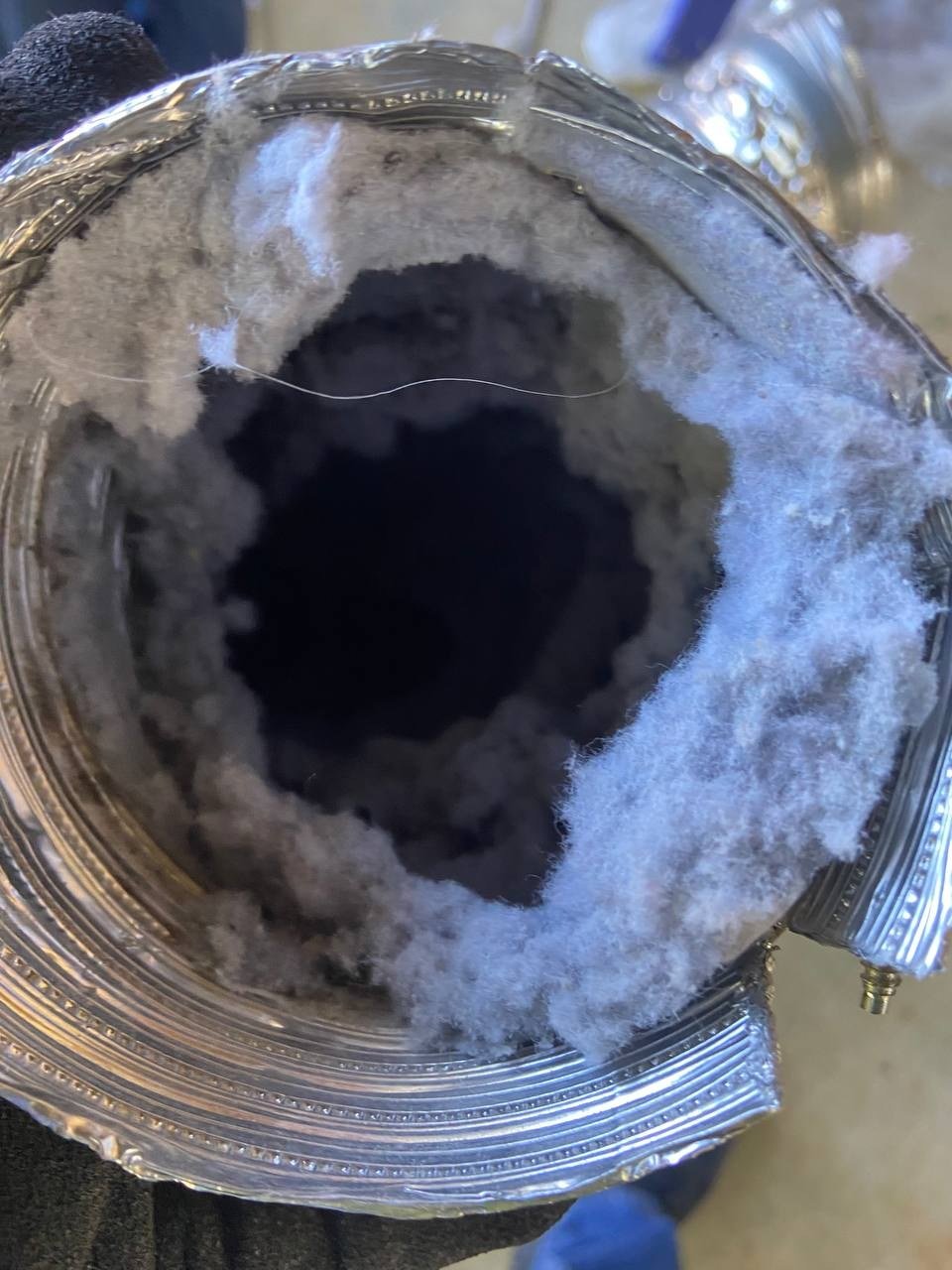
If your dryer is taking longer than one cycle to dry a normal load, your dryer vent likely needs cleaning. That one sign alone is enough to call a professional — but Birmingham, AL homeowners often miss four other warning signs until a service call reveals a vent packed solid with lint. This guide walks through all five, explains why Alabama’s climate accelerates the problem, and tells you exactly what to do next.
Sign 1: Clothes Take Two or More Cycles to Dry
A properly functioning dryer should dry a standard load of laundry in 35 to 45 minutes. When lint builds up inside the vent duct, hot moist air cannot escape efficiently. The dryer keeps running because the load stays damp. If you are running the dryer twice — or noticing clothes still warm but not dry at the end of a cycle — restricted airflow is almost always the cause. A professional dryer vent cleaning restores full exhaust flow and gets drying times back to normal.
Sign 2: The Dryer Exterior Feels Unusually Hot
A clogged vent traps heat inside the appliance. When you cannot safely touch the top or sides of your dryer at the end of a cycle, the internal temperature has climbed well above the design range. That excess heat stresses the heating element, wears the drum bearing faster, and in worst-case scenarios creates the conditions for a dryer fire. According to the U.S. Fire Administration, failure to clean dryer vents is the leading cause of residential dryer fires. If your dryer is hot to the touch, stop using it and schedule a cleaning.
Sign 3: A Burning Smell During or After a Cycle
Lint is highly flammable. When it accumulates near the heating element or inside a restricted duct, a faint burning or scorching smell is the first warning that conditions are approaching dangerous. Many Birmingham homeowners describe it as a musty-burnt odor that lingers in the laundry room after the cycle ends. Do not ignore this. A burning smell from your dryer is a stop-and-call signal, not a wait-and-see one. See our detailed page on signs your dryer vent is clogged for a full breakdown of odor causes.
Sign 4: The Laundry Room Feels Humid After a Cycle
Your dryer vent is designed to push hot, moist air from the drum outside the house. When the vent is clogged, that moisture has nowhere to go — so it backs up into the laundry room. You will notice condensation on nearby windows or walls, a humid feeling that lingers long after the cycle ends, and sometimes musty odors that are not coming from the clothes themselves. In Alabama, where summer humidity already runs high, a restricted dryer vent makes interior moisture problems significantly worse. Homes in the Birmingham metro — including Gardendale, Hoover, and Vestavia Hills — see this symptom year-round because of the regional climate.
Sign 5: The Exterior Vent Flap Does Not Open During Operation
Step outside while your dryer is running and look at the exterior vent cap. The flap should open visibly as air pushes through. If it stays shut, barely opens, or flutters without fully extending, the vent is restricted enough to block airflow at the exit point. This is one of the easiest self-checks you can do without any tools. If you spot a bird nest or debris lodged at the cap, that is a separate but related issue — DUCTS handles dryer vent bird nest removal as part of a standard cleaning appointment when access allows.
Why Alabama Homes Face This Problem Faster
The combination of high year-round humidity and longer drying cycles means lint accumulates faster in Alabama homes than in drier climates. When ambient humidity is already high, the dryer works harder to remove moisture from fabrics, producing more humid exhaust per load. Longer run times deposit more lint in the duct with every cycle. Homes with longer vent runs — common in newer construction in Jefferson and Shelby counties — are particularly vulnerable because lint has more surface area to cling to before it exits. NADCA-trained DUCTS technicians see this pattern regularly across the Birmingham service area.
What to Do Next
If you recognized two or more of these signs, schedule a professional dryer vent cleaning before your next laundry day. DUCTS Air Duct Cleaning, LLC serves Birmingham and surrounding communities Monday through Saturday, 8:00 AM to 7:00 PM. Same-day and next-day appointments are available. Request a free quote here.
Frequently Asked Questions
How often should dryer vents be cleaned in Birmingham, AL?
Most homes benefit from a professional cleaning every 12 months. Households that do more than five loads per week or have vent runs longer than 15 feet should consider cleaning every 6 to 9 months. Alabama’s higher humidity increases lint output per load, so annual cleaning is a minimum recommendation for this region.
Can I clean my dryer vent myself?
DIY brush kits can remove loose lint from the first few feet of the duct but typically cannot reach a full vent run or clear a compacted clog at bends. A professional cleaning uses truck-mounted vacuum equipment that pulls lint from the entire run, including elbows, from the inside out. For vents longer than 10 feet or with multiple bends, professional service is recommended.
What is the risk of not cleaning a dryer vent?
A clogged dryer vent is a fire hazard. Lint is highly combustible, and heat buildup in a restricted duct creates the conditions for ignition. Beyond fire risk, a clogged vent shortens the lifespan of the dryer, increases energy use per load, and allows moisture to build up inside the home. Cleaning the vent removes all of these risks at once.
How long does a professional dryer vent cleaning take?
Most residential dryer vent cleanings take between 45 minutes and 90 minutes. The exact time depends on the length of the vent run, how many bends it includes, and how much lint has accumulated. Vents with bird nests or heavy debris may take slightly longer. DUCTS technicians provide an estimate at the start of the appointment.
Does DUCTS clean both the duct and the exterior vent cap?
Yes. A standard DUCTS dryer vent cleaning addresses the full duct run from the dryer connection to the exterior termination point, including the vent cap. If the cap is damaged, clogged with debris, or has a bird nest obstruction, the technician will address it during the appointment and advise you on cap replacement if needed.