

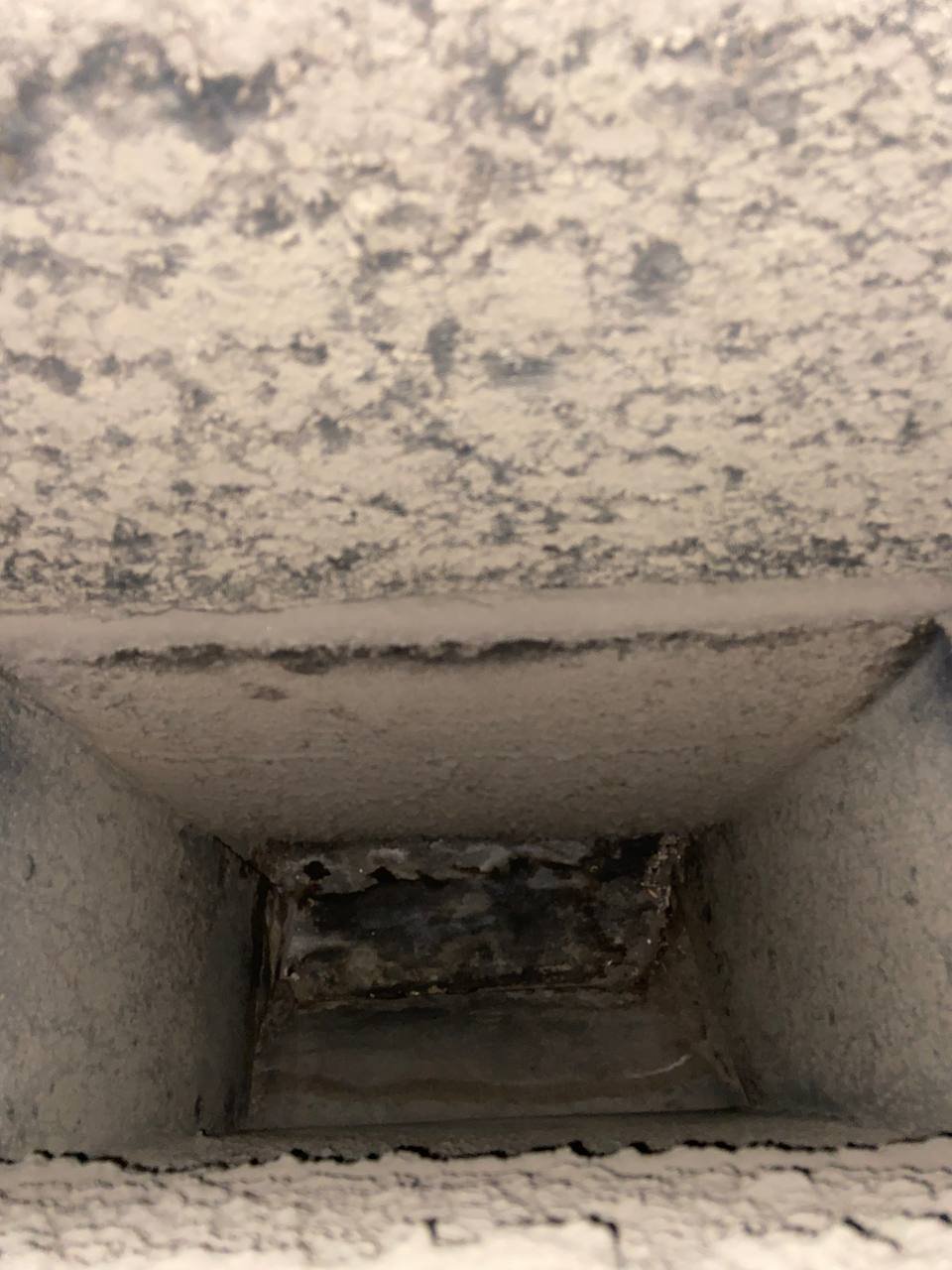
Alabama’s combination of hot summers, high humidity, and older housing stock creates conditions that can put residential ductwork under more stress than homeowners in drier climates typically face. One concern that comes up frequently is mold – specifically, whether it can develop inside the duct system and what to do if it does. This guide covers what to look for, why Alabama homes are particularly vulnerable, and what a professional cleaning can realistically address.
It is important to be clear from the start: duct cleaning is not mold remediation. DUCTS provides professional duct cleaning that helps remove visible buildup and debris from the inside of the distribution system. For active structural mold – the kind affecting drywall, subflooring, or wood framing – a licensed mold remediation specialist is the appropriate resource. Knowing the difference matters.
Signs of Mold-Related Buildup in Your Duct System
Musty Smell from the Vents
The most common indicator is a musty, damp, or earthy odor that is noticeable when the HVAC system is running. The smell comes from the vents – often stronger near main supply registers or rooms closest to the air handler. If the smell goes away when the system is off and returns when it turns on, the source is likely inside the duct system. See our page on musty smell from vents in Birmingham for more on what causes this.
Dark Spots or Discoloration Near Registers
Dark spots around supply registers are worth noting. They can result from fine dust and carbon particles accumulating at the edges of vents over time – sometimes called “ghosting” – or they may indicate something else inside the duct system. Discoloration on the interior duct surfaces near registers, or visible growth inside a register opening, warrants a closer look.
Visible Growth Inside Duct Openings
If you remove a register and see visible discoloration or organic growth on the interior duct surface, that is a clear sign that something is present. A flashlight inspection of accessible duct sections can give you a rough sense of what is in there before calling a professional. Do not run the HVAC system if you have confirmed visible growth – circulating that material through the home is not a good outcome.
Why Alabama Homes Are Particularly Vulnerable
Moisture is the root cause of organic buildup in ductwork, and Alabama provides that moisture in abundance. Summer relative humidity regularly exceeds 80 percent in the Birmingham area, and the climate stays warm enough for longer portions of the year than northern states.
One factor that amplifies this risk is oversized air conditioning equipment. An AC unit that is too large for the space it serves cools the air quickly and then shuts off before completing a full dehumidification cycle. The home reaches the thermostat set point, the unit shuts down, and the humidity remains elevated. This short-cycling pattern is common in Alabama homes because contractors historically sized equipment for peak cooling load without adequate attention to humidity management.
Elevated indoor humidity means cooler duct surfaces – particularly supply ducts – can experience condensation during certain conditions. That surface moisture, combined with organic material from household dust, creates conditions where buildup can develop over time. Homes with crawl spaces are additionally vulnerable if ground moisture is not properly controlled at the crawl space level.
What DUCTS Can Do
DUCTS provides professional air duct cleaning that helps remove visible buildup and debris from inside the distribution system – supply ducts, return ducts, and registers. The cleaning process uses negative air pressure and agitation tools to dislodge and capture accumulated material from duct surfaces.
If buildup is found during cleaning, we will document what we see and let you know the condition of the system. For situations where the duct surfaces themselves have concerns beyond surface debris – such as active growth on fiberglass duct board or inside flex duct liner – we will tell you honestly that a remediation specialist is the appropriate next step. We do not overstate what duct cleaning can accomplish.
A UV air purifier installed inside the HVAC system can provide ongoing treatment of the air stream after cleaning is complete. Learn more about UV air purifier installation in Birmingham.
See our full air duct cleaning service page for details on our process and service area.
Prevention Tips
Keeping indoor humidity below 50 percent is the single most effective step. A properly sized air conditioning system – one that runs full cycles rather than short-cycling – helps maintain that level in Alabama’s climate. If your current system short-cycles frequently, an HVAC technician can evaluate whether the equipment is correctly sized for your home.
- Use a hygrometer to monitor indoor humidity and aim for 40 to 50 percent
- Address crawl space moisture with vapor barriers and proper ventilation
- Change HVAC filters on schedule – a clogged filter reduces airflow and can cause temperature and humidity imbalances in the duct system
- Have ductwork inspected after any significant water intrusion event in the home
- Schedule periodic duct cleaning to remove organic debris before conditions develop